Kankrej Cattle Breed Guide: Physical Traits, Lyre Horns, Origin & Dual-Purpose Dairy Management
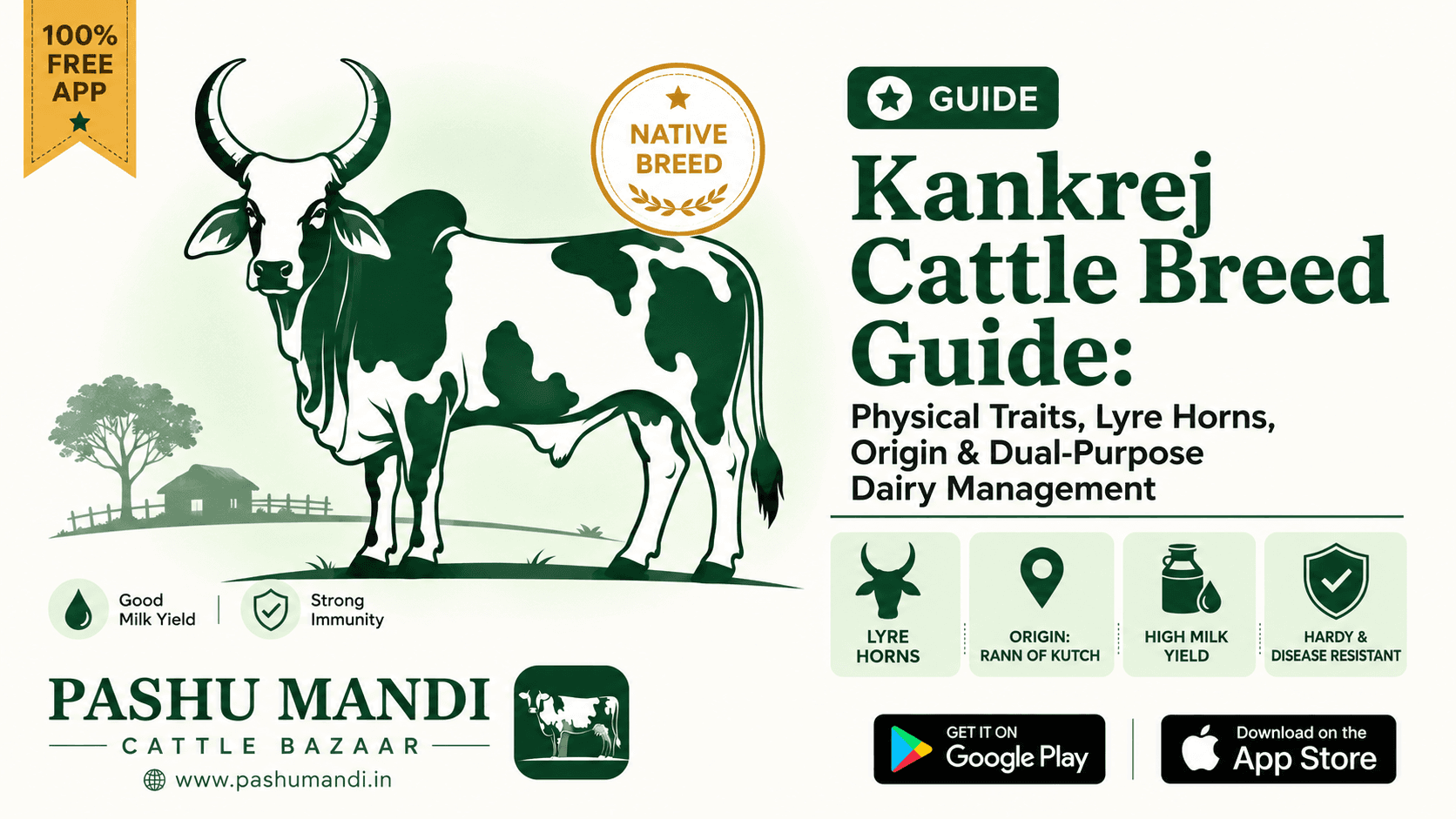
Introduction: The Majestic Heritage of Kankrej Cattle
The Kankrej is one of India's most celebrated and visually commanding indigenous zebu cattle breeds (Bos indicus). Officially cataloged by the ICAR-National Bureau of Animal Genetic Resources (NBAGR) under Accession Code INDIA_CATTLE_0404_KANKREJ_03013, the breed is celebrated worldwide for its imposing physical stature, spectacular lyre-shaped horns, and its extraordinary classification as a premier dual-purpose (milch and heavy draft) animal.
Historically maintained by pastoral communities like the Rabaris, Bharwads, and Maldharis in Western India, Kankrej cattle played a foundational role in global tropical cattle breeding. When exported to the Americas in the late 19th and early 20th centuries, Kankrej stock formed the genetic cornerstone of the famous Guzerá breed in Brazil and significantly contributed to the development of the American Brahman cattle.
Origin, Habitat & Regional Names
Kankrej cattle take their name from the Kankrej taluka of Banaskantha district in northern Gujarat. The native breeding tract spans:
- Gujarat: Banaskantha, Sabarkantha, Mehsana, Patan, Ahmedabad, Anand, Kheda, and the fringes of the Rann of Kutch.
- Rajasthan (Contiguous Tract): Southwestern arid districts, primarily Barmer, Jalore, and parts of Sirohi.
- Local Synonyms: Wadad (or Wadhir/Wadhiyar, derived from the Wadhir tract in Radhanpur), Vagadia, Sored, and Kankreji.
The breed evolved in semi-arid environments characterized by extreme temperature fluctuations (scorching summers exceeding 45°C and cold winter nights), low annual rainfall, and sparse, fibrous desert vegetation. This evolutionary crucible endowed the Kankrej with exceptional metabolic efficiency and hardiness.
Distinguishing Physical Characteristics
Kankrej cattle are immediately recognizable by their noble carriage, muscular frame, and distinctive morphological markers:
| Morphological Trait | Breed Standard Specification |
|---|---|
| Horns (Lyre-Shaped) | Strong, thick, and curved gracefully outward, upward, and slightly inward in a classic lyre shape; covered with skin/hair at the base. |
| Forehead & Face | Broad, dished face with a characteristic slight depression (concavity) in the center of the forehead; strong, clean-cut muzzle. |
| Ears | Very large, pendulous, open, and drooping like broad leaves, protecting the ear canal from dust and insects. |
| Coat Color | Varies from silver-grey and ash-white to iron-grey. Bulls exhibit distinctly darker shading across the head, neck, shoulders, and thighs. |
| Body Frame & Hump | Compact, deep-chested, powerful frame; well-developed muscular hump upright over the shoulders; thin, pliable skin with extensive dewlap. |
| Gait ("Savai Chal") | The unique 'one-and-a-quarter pace'—a dignified, brisk, springy walk where the hind foot oversteps the imprint of the forefoot with an erect head. |
Performance: Dual-Purpose Dairy & Draft Excellence
Kankrej holds an esteemed position because it provides a balanced economic return in both dairy and agricultural traction:
1. Milk Production Potential
While historically reared in extensive migratory grazing systems, well-managed Kankrej cows exhibit robust dairy potential:
- Lactation Yield: Ranges from 1,400 kg to 2,200+ kg per lactation under farm conditions, with selectively bred elite dairy strains surpassing 3,000 kg.
- Milk Quality: Rich in A2 beta-casein protein with an average fat content between 4.5% and 5.2% and solid-not-fat (SNF) of 8.6% to 9.0%, making it ideal for traditional ghee, curd, and commercial liquid milk.
- Lactation Length: Typically spans 270 to 310 days with steady persistency.
2. Draft & Working Power
Kankrej bullocks are acknowledged among the strongest, fastest draft cattle in India. Their massive muscular shoulders, compact limbs, hard black hooves, and energetic temperament enable them to haul heavy agricultural loads across sandy and unpaved terrain without losing speed.
Climate Resilience & Biological Hardiness
Indigenous Kankrej cattle demonstrate superior biological adaptations compared to exotic or poorly adapted crossbred animals:
- Thermo-Tolerance: A high density of active sweat glands and a pale reflective coat allow Kankrej cattle to graze actively during intense afternoon solar radiation without experiencing heat stress or drop in milk yield.
- Tick & Parasite Resistance: Dense, short coat hair, active panniculus muscle movement (skin twitching), and inherent immune resilience confer high resistance against cattle ticks and tick-borne haemoprotozoan diseases (like Theileriosis and Babesiosis).
- Digestive Efficiency on Coarse Roughage: Remarkable ability to thrive on fibrous dry fodder, agricultural crop residues, and native arid shrubs during drought periods.
Housing, Feeding & Dairy Management
To maximize productivity in semi-intensive and stall-fed dairy setups, farmers should implement balanced management protocols:
1. Housing & Ventilation
Provide a well-ventilated, loose housing shed oriented east-to-west with adequate roof height (minimum 10–12 feet). Ensure clean, dry, well-drained flooring to maintain hoof integrity and prevent udder contamination.
2. Nutritional Requirements
- Green Fodder (15–25 kg/day): Leguminous fodders (berseem, lucerne, cowpea) combined with non-legumes (sorghum/jowar, maize, hybrid napier, bajra).
- Dry Fodder (5–8 kg/day): High-quality wheat straw (bhusa), bajra stover, or clean paddy straw to meet essential dietary fiber needs.
- Balanced Concentrate: Feed a balanced compound cattle feed containing 18–20% crude protein and 70% TDN (Total Digestible Nutrients), offering 1.5 kg for body maintenance plus 400 grams per liter of milk produced, supplemented with 50g mineral mixture and 30g common salt daily.
- Clean Water: Unrestricted access to clean, fresh drinking water (60–90 liters daily).
Physical Inspection & Buying Guide for Kankrej Cattle
When selecting a Kankrej cow or heifer on Pashu Mandi or during farm visits, apply these verification steps:
- Verify True-to-Breed Features: Confirm the symmetrical upward-curving lyre horns, dished forehead, long pendulous ears, and distinctive silver-grey coloration.
- Examine the Udder & Teats: The udder should be well-attached, pliable, and bowl-shaped with squarely placed, cylindrical teats free from warts, leathery hard spots, or scar tissue from past mastitis.
- Observe the Gait & Temperament: Check for the smooth, rhythmic Savai Chal gait without any limping, swollen hock joints, or abnormal hoof wear. Kankrej are spirited yet affectionate animals when handled calmly.
- Confirm Age via Teeth: Check lower dental arcade incisors (e.g., 2 permanent central incisors indicate ~24–30 months; 4 incisors indicate ~36 months).
- Lactation & Milking Verification: Conduct at least two consecutive supervised milkings (morning and evening) to accurately assess yield, temperament during let-down, and maternal behavior.
हिन्दी सारांश: कांकरेज गाय की नस्ल, शारीरिक विशेषताएं, दूध उत्पादन और प्रबंधन
कांकरेज (Kankrej) भारत की प्राचीन और अत्यंत प्रभावशाली द्वि-प्रयोजनीय (दूध और भारवाहक) देशी गोवंश नस्ल है, जिसका पंजीकरण ICAR-NBAGR के तहत कोड INDIA_CATTLE_0404_KANKREJ_03013 के साथ दर्ज है।
उत्पत्ति एवं शारीरिक पहचान
- मूल स्थान: गुजरात का कच्छ का रण, बनासकांठा, साबरकांठा, मेहसाणा, पाटन और अहमदाबाद तथा राजस्थान के बाड़मेर और जालौर जिले। इसे स्थानीय रूप से वडियाड़ (Wadad) या वागड़िया भी कहा जाता है।
- वीणा के आकार के सींग (Lyre Horns): कांकरेज के सींग मोटे, मजबूत और ऊपर की ओर मुड़कर सुंदर वीणा जैसी आकृति बनाते हैं।
- सवाई चाल (Savai Chal): इसका तेज, संतुलित और गर्व से भरा हुआ चलने का अंदाज 'सवाई चाल' के नाम से विश्वभर में विख्यात है।
- रंग व बनावट: चांदी जैसा सफेद, धूसर (सिल्वर-ग्रे) या लोहे जैसा स्लेटी रंग। सांडों के गर्दन और कंधों पर गहरा रंग होता है। बड़े लटके हुए कान और चौड़ा माथा इसकी मुख्य पहचान हैं।
दूध उत्पादन एवं उपयोगिता
कांकरेज गायें एक ब्यात में 1,400 से 2,200+ किलोग्राम तक पौष्टिक A2 दूध देती हैं, जिसमें वसा (Fat) की मात्रा 4.5% से 5.2% तक होती है। इसके बैल बेहद मजबूत, फुर्तीले और कठिन कृषि कार्यों व गाड़ी खींचने में सक्षम होते हैं।
देखभाल एवं डिजिटल खरीद
कांकरेज नस्ल गर्मी, लू और परजीवियों (चींचड़ों) के प्रति अत्यधिक प्रतिरोधी है। पशुपालक पशु मंडी (Pashu Mandi) के माध्यम से शुद्ध नस्ल की कांकरेज गायों की नस्लीय पहचान, ब्यात और दूध रिकॉर्ड की पुष्टि करके सीधे किसानों से पारदर्शी तरीके से खरीद-फरोख्त कर सकते हैं।
ਪੰਜਾਬੀ ਸੰਖੇਪ: ਕਾਂਕਰੇਜ ਗਾਂ ਦੀ ਨਸਲ, ਵਿਸ਼ੇਸ਼ਤਾਵਾਂ, ਦੁੱਧ ਉਤਪਾਦਨ ਅਤੇ ਦੇਖਭਾਲ
ਕਾਂਕਰੇਜ (Kankrej) ਭਾਰਤ ਦੀ ਇੱਕ ਸ਼ਾਨਦਾਰ ਦੋਹਰੇ ਮਕਸਦ ਵਾਲੀ (ਦੁੱਧ ਅਤੇ ਖੇਤੀਬਾੜੀ ਡਰਾਫਟ) ਦੇਸੀ ਨਸਲ ਹੈ, ਜੋ ICAR-NBAGR ਅਧੀਨ ਪ੍ਰਮਾਣਿਤ ਹੈ। ਇਸ ਦਾ ਮੂਲ ਖੇਤਰ ਗੁਜਰਾਤ ਦਾ ਕੱਛ ਅਤੇ ਉੱਤਰੀ ਗੁਜਰਾਤ (ਬਨਾਸਕਾਂਠਾ, ਮਹਿਸਾਣਾ) ਅਤੇ ਰਾਜਸਥਾਨ ਦੇ ਨਾਲ ਲੱਗਦੇ ਜ਼ਿਲ੍ਹੇ (ਬਾੜਮੇਰ, ਜਾਲੋਰ) ਹਨ।
ਕਾਂਕਰੇਜ ਗਾਂ ਦੇ ਵੱਡੇ ਲਾਈਰ ਆਕਾਰ ਦੇ ਸਿੰਗ, ਚੌੜਾ ਮੱਥਾ, ਲਮਕਦੇ ਕੰਨ ਅਤੇ ਮਸ਼ਹੂਰ 'ਸਵਾਈ ਚਾਲ' (Savai Chal) ਇਸ ਦੀ ਮੁੱਖ ਪਛਾਣ ਹਨ। ਇਸ ਦਾ ਰੰਗ ਚਾਂਦੀ-ਸਲੇਟੀ (ਸਿਲਵਰ ਗ੍ਰੇ) ਹੁੰਦਾ ਹੈ। ਇੱਕ ਸੂਏ ਵਿੱਚ ਇਹ ਗਾਂ 1,400 ਤੋਂ 2,200+ ਕਿਲੋਗ੍ਰਾਮ ਤੱਕ ਉੱਚ ਗੁਣਵੱਤਾ ਵਾਲਾ A2 ਦੁੱਧ (4.5% ਤੋਂ 5.2% ਫੈਟ) ਦੇਣ ਦੀ ਸਮਰੱਥਾ ਰੱਖਦੀ ਹੈ। ਇਹ ਨਸਲ ਗਰਮੀ ਅਤੇ ਚਿੱਚੜਾਂ ਪ੍ਰਤੀ ਬਹੁਤ ਰੋਧਕ ਹੈ। ਪਸ਼ੂ ਮੰਡੀ (Pashu Mandi) ਰਾਹੀਂ ਕਿਸਾਨ ਸਿੱਧੇ ਤੌਰ 'ਤੇ ਨਸਲ ਅਤੇ ਦੁੱਧ ਰਿਕਾਰਡ ਦੀ ਜਾਂਚ ਕਰਕੇ ਕਾਂਕਰੇਜ ਪਸ਼ੂਆਂ ਦਾ ਸੁਰੱਖਿਅਤ ਵਪਾਰ ਕਰ ਸਕਦੇ ਹਨ।
Important Note
The information in this article is for general educational purposes only. It is not professional veterinary advice, legal advice, or financial advice. Always consult a qualified veterinarian for animal health decisions, a legal professional for legal matters, and a financial advisor for investment decisions. Livestock prices, market conditions, and practices vary by region and change over time — please verify with local sources before making important decisions. This content does not represent the views of any government body and does not guarantee any specific outcome. Found an error? Email us at info@pashumandi.in.
Frequently Asked Questions
Related Articles
भदावरी भैंस: पहचान, दूध में फैट और पालन की पूरी जानकारी
भदावरी भैंस की पहचान, दूध व रिकॉर्ड फैट (8-13%), आहार और पालन प्रबंधन की पूरी मार्गदर्शिका जानें।
Dairy Cattle Buying Guide: Step-by-Step Physical Inspection Checklist
Essential physical inspection checklist and safety guide for farmers buying dairy cows and buffaloes in local mandis or online marketplaces.
Gir Cattle Breed Guide: Physical Traits, Origin, Heat Resilience & Dairy Management
Comprehensive guide to Gir cattle: historical origin in Saurashtra, distinguishing physical characteristics, heat tolerance, housing, and dairy management practices.
Ready to Buy or Sell Cattle?
Download Pashu Mandi — India's trusted cattle marketplace. Browse thousands of listings, connect with sellers directly, and find your perfect animal.